



Hyundai Motorstudio Senayan Park
Hyundai Motorstudio Senayan Park
Newsroom
The official news from Hyundai Motorstudio Senayan Park and a collection of innovative articles on mobility and sustainability here.
-
Sustainable Lifestyle for Families: A Practical Guide
- Hyundai Motorstudio Senayan Park 2025.12.16
-
-
Sustainable lifestyles are no longer just a trend, but a necessity to keep the earth livable for future generations. For families, implementing an eco-friendly lifestyle not only contributes to nature conservation, but also creates a healthier environment and teaches important values to children.
This article will discuss the concept of a sustainable lifestyle for families, tips on reducing waste, how to save energy and water, eco-friendly activities involving children, and their positive impact on the environment and family harmony.
1. The Concept of Sustainable Lifestyle for Families
is a way of life that meets the needs of the moment without sacrificing the ability of future generations to meet their needs. For families, this means making eco-friendly choices in daily life.
This concept covers various aspects, ranging from consumption patterns, waste management, energy use, to environmental education for children. By adopting a sustainable lifestyle, families not only reduce their carbon footprint, but also build a foundation of values that are important for the future.
2. Simple Tips to Reduce Waste at Home
Reducing waste is one of the easiest first steps in implementing a sustainable lifestyle. Here are some practical tips that families can do:
Reduce the Use of Single-Use Plastics
Single-use plastics such as shopping bags, straws, and food packaging are major contributors to plastic waste. Families can reduce it by:
- Bring your own shopping bag when shopping
- Using refillable drinking bottles
- Choosing products with minimal or eco-friendly packaging
- Using feeding boxes from plastic packaging
Sorting Garbage at Home
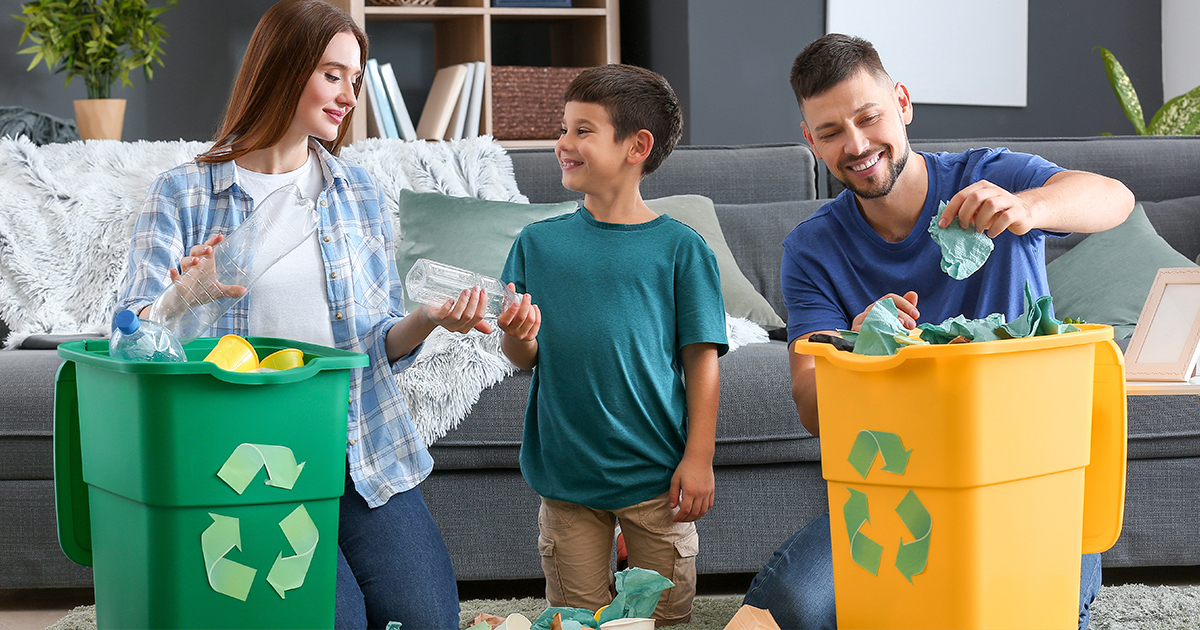
Sorting organic and inorganic waste facilitates the recycling and composting process. Provide a separate trash can and involve all family members in sorting the trash.
Organic Waste Compost
Food waste and garden waste can be processed into compost that is useful for plants. This not only reduces waste, but also produces useful natural fertilizers.
Shop Wisely and As Needed
Buying items as needed and avoiding impulse purchases can reduce waste. Create a shopping list and stick to it when shopping.
3. Save Energy and Water with Family
Energy and water savings are not only good for the environment but also for the family's budget. Here are practical ways to save energy and water:
Energy Saving
- Turn off lights and electronics when not in use
- Use more energy-efficient LED lights
- Make the most of natural light
- Set the air conditioner temperature to a comfortable but energy-efficient level (24-25°C)
- Unplug the charger from the outlet after finishing charging
Save Water
- Fix a leaky faucet
- Use a water-saving shower
- Collect rainwater to water plants
- Turn off the tap when brushing your teeth or washing dishes
- Use a washing machine with a full load
According to data from the Ministry of Energy and Mineral Resources, energy savings in households can reduce carbon emissions by up to 10% per year. This shows that small steps in saving energy and water can have a big impact on the environment.
4. Eco-Friendly Activities Involving Children
Involving children in eco-friendly activities not only helps to protect the earth but also teaches them important values from an early age. Here are some activities that can be done with children:
Home Gardening
Growing vegetables, fruits, or houseplants in the yard or pot can teach children about the life cycle of plants and the importance of taking care of the environment. It also provides fresh and healthy food for families.
Making Crafts from Used Goods
Turning used items such as plastic bottles, cardboard, or patchwork into handicrafts can hone children's creativity while teaching the concept of recycling.
Collecting Garbage in the Surrounding Environment
Invite your child to clean up trash in the park, beach, or neighborhood. It teaches them about responsibility towards the environment.
Visiting Environmental Education Places
Visit a botanical garden, conservation center, or museum that focuses on the environment to provide a fun education about the importance of preserving nature.
5. Positive Impact on the Environment and Family Harmony
Adopting a sustainable lifestyle brings many benefits, not only for the environment but also for families:
Positive Impact on the Environment
- Reduce carbon footprint and greenhouse gas emissions
- Reducing waste that ends up in landfills
- Conserves natural resources such as water and energy
- Supporting biodiversity and healthy ecosystems
Positive Impact on Families
- Strengthening relationships between family members through joint activities
- Teaching important values such as responsibility and care
- Creating a healthier and more comfortable home environment
- Saving family expenses through efficient use of resources
A sustainable lifestyle is not something that is difficult or expensive to implement. With simple steps such as reducing waste, saving energy and water, and involving children in environmentally friendly activities, families can contribute to the preservation of the earth while building family harmony.
Start small and be consistent. Small changes made by many families will have a huge impact on the environment and the future of our children.