



Hyundai Motorstudio Senayan Park
Hyundai Motorstudio Senayan Park
Newsroom
The official news from Hyundai Motorstudio Senayan Park and a collection of innovative articles on mobility and sustainability here.
-
Starting from a Tumbler: 5 Easy Steps to Start a Zero Waste Lifestyle
- Hyundai Motorstudio Senayan Park 2025.12.11
-
-
Have you ever imagined that the trash can at home that used to be full every two days, is now only half filled in a week? This is not impossible. This is a picture of a zero waste lifestyle.
Many think zero waste is complicated or extreme. In fact, this concept is not about perfection to be "zero waste" overnight, but a mindset to minimize our impact on the earth. This big change can start from a simple step at home.
Here's a quick guide to start your journey.
1. Understanding the Basic Concept of Zero Waste
The zero waste philosophy aims to redesign the life cycle of resources so that no waste ends up in landfills or oceans. The key lies in the 5R principle that should be done sequentially:
- Refuse: Dare to say "no" to items you don't need, such as plastic straws or brochures.
- Reduce: Ask yourself before buying, "Do I really need it?" Focus on quality, not quantity.
- Reuse: Switch from disposable products to products that can be reused, such as drinking bottles or handkerchiefs.
- Recycle: Do this only if the item is no longer recyclable. Make sure to sort the waste by category.
- Rot (Compost): Process organic waste to return to nutrients for the soil.
2. Easy Steps to Start at Home
Don't rush. The key is progress, not perfection. Start with these three tactics:
- Do a Waste Audit: Separate your waste for a week. See what piles up the most—is it plastic bottles or food scraps? This helps you prioritize your solutions.
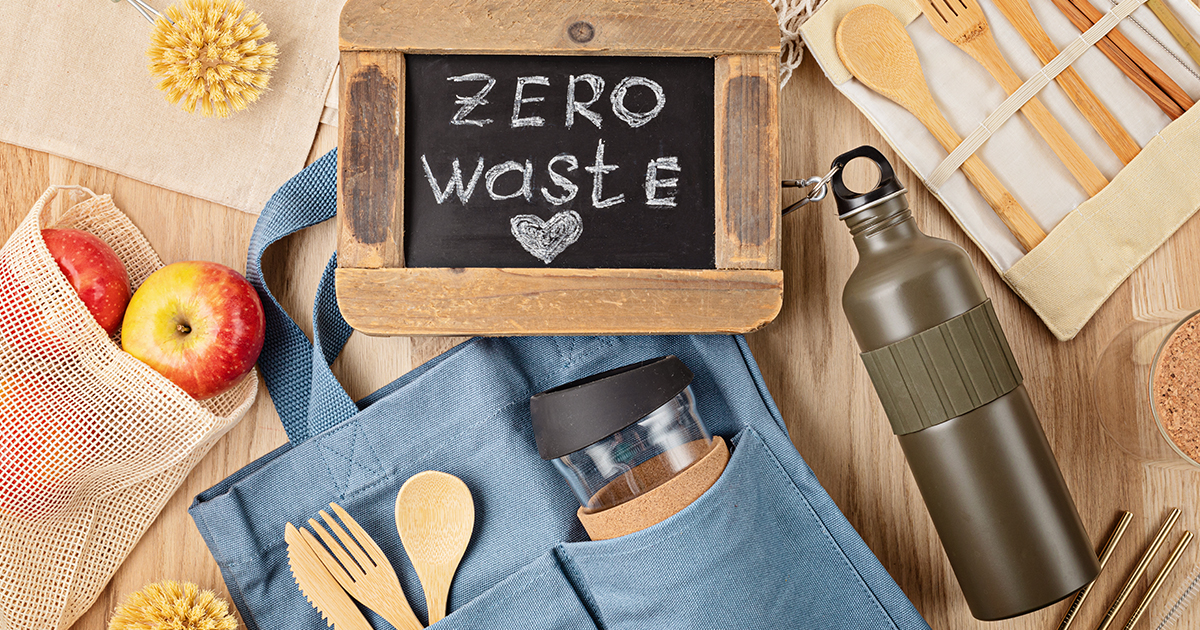
- Have a "Starter Kit": Use items you already have at home to avoid trash on the go. Prepare folding shopping bags, tumblers, and food containers for takeaway.
- Choose One Focus Area: Don't change the entire household at once. Start in the bathroom (replace plastic toothbrushes) or kitchen (replace synthetic sponges).
3. Strategies to Reduce Plastic and Organic
Based on waste audits, the two main enemies are usually plastic and food waste.
- Conquer Plastic: Start refusing plastic straws and cutlery when ordering food. When shopping, avoid fruits wrapped in plastic wrap and take advantage of bulk stores by bringing your own containers.
- Manage Organic Waste: Food waste is the largest waste composition in Indonesia. Do not allow it to rot in landfills and produce methane gas. The solution is composting. Even if you live on a limited land, you can use the stacked bucket method or the odorless Takakura basket.
4. Tips for Shopping and Consumption Wisely
A zero-waste lifestyle will change the way you shop smarter:
- Make a Shopping List: Don't shop when you're hungry or without a plan to avoid impulse purchases.
- "30 Days" rule: For non-essential items (clothes/gadgets), wait 30 days before purchasing. Often the desire will disappear.
- Support Local Products & Thrifting: Buy from local markets to reduce transportation's carbon footprint. For clothing, consider thrift stores to fight fast fashion waste.
5. The Real Impact You Create
Your small steps have a much bigger impact than simply reducing the contents of the bin:
- Environment: You directly prevent waste from accumulating in landfills and preserve natural resources.
- Financial: You become more frugal because you stop buying single-use items and reduce impulse shopping.
- Mindfulness: Life becomes more conscious and meaningful because you appreciate what you consume.
Living a zero waste lifestyle is not about being perfect without the slightest bit of waste in an instant, but about the awareness to continue to process to be better every day. Never underestimate the impact of a simple action you take at home.
It may seem trivial, but when millions of people commit to doing the same thing—like carrying a tumbler or sorting garbage—the accumulated impact on our environment will be tremendous. Remember, big changes start with the little things we do together, so what small steps are you going to start today?