



Hyundai Motorstudio Senayan Park
Hyundai Motorstudio Senayan Park
Newsroom
The official news from Hyundai Motorstudio Senayan Park and a collection of innovative articles on mobility and sustainability here.
-
4 Home Energy Saving Technologies: A Practical Guide and Benefits
- Hyundai Motorstudio Senayan Park 2025.12.22
-
-
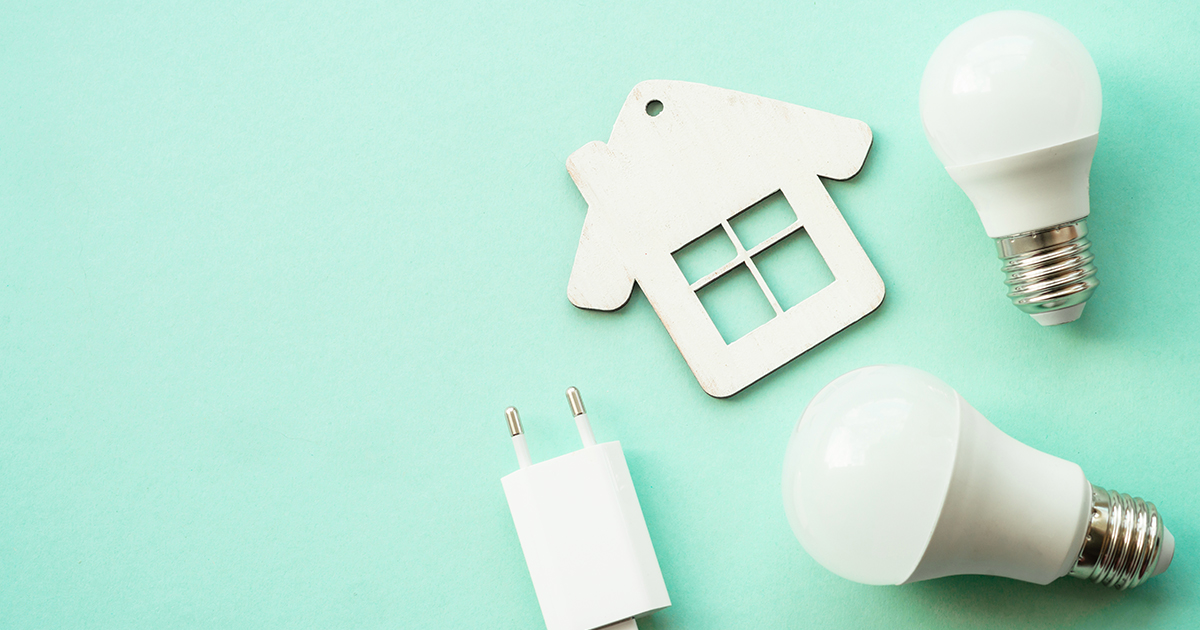
We've all felt it. The moment when the monthly electricity bill arrives, and the numbers make us silent for a moment. Our homes, which are supposed to be the most comfortable places, consume a lot of energy—and expense—money. Every light that is on, the air conditioner that cools, and the gadget that is charged, all contribute.
However, in this modern era, there is an interesting paradox: the technology that creates this energy consumption is also the one that offers the smartest solution to overcome it.
Welcome to the world of home energy-saving technology. It's no longer a futuristic concept that only exists in movies; It is a practical and affordable solution that we can implement today.
Let's dive into what technologies can transform your home into a smarter, more sustainable residence.
1. Types of Energy-Saving Technology at Home
When it comes to energy saving, many immediately think of "turning off the lights". But modern technology takes us further than that. The solution is now proactive, not just reactive.
In general, we can divide this technology into three main categories:
- Efficient Appliances: Uses less energy for the same function.
- Smart Energy Management: Automate and optimize when and how energy is used.
- On-site Generation: Produce your own clean energy.
Here are the 5 specific technologies that are most impactful:
2. How It Works and Benefits: From LEDs to Solar Panels
Let's dissect one by one how these advanced tools work and what immediate benefits you can feel.
Lampu LED (Light Emitting Diode)
This is the most basic and easiest step. If you're still using incandescent bulb lights or even CFLs (compact fluorescent lights), switching to LEDs is a must.
- How it works: LEDs produce light by conducting electricity through semiconductors, a highly efficient process and emitting very little heat. This is in stark contrast to incandescent bulbs where 90% of their energy is wasted on heat.
- Benefits:
- Super Efficient: Consumes up to 85% less energy than incandescent bulbs.
- Durable: The durability of LEDs can reach 15,000 to 50,000 hours, compare with 1,000 hours of incandescent bulbs. This means savings in the cost of buying new lights.
- Eco-friendly: Does not contain harmful mercury like CFL lamps.
Smart Plug and Power Strip (Smart Outlet)
Ever heard of the term "vampire power" or phantom load? This is the energy that electronic equipment (TVs, game consoles, chargers) continues to consume even when in standby mode.
- How It Works: A smart plug is an adapter that plugs into your wall outlet and your appliances. Connected to a home Wi-Fi network, it allows you to:
- Turn the device on or off remotely via a smartphone.
- Set a schedule (for example, turning off the Wi-Fi router and TV completely at 2 a.m.).
- Monitor the energy consumption of the device in real-time.
- Benefits: Gives you full control to turn off the "vampire power" and make sure the device only turns on when it's really needed.
Smart Thermostat and AC Controller
In a tropical country like Indonesia, the air conditioner (Air Conditioner) is one of the largest energy aspirants in the home. Controlling the air conditioner intelligently is the key to savings.
- How it works: Unlike manual thermostats where you only set the temperature, smart thermostats (or smart air conditioning controllers) are connected to the internet. It learns from your habits. It knows when you're usually at home, when you're sleeping, and can even use your phone's motion sensors or GPS to detect if the house is empty.
- Benefits:
- Smart Automation: The air conditioner will only do the hard work of cooling the room just before you get home, instead of turning it on all day.
- Temperature Efficiency: It will raise the temperature by a few degrees while you sleep (you don't need to be 18°C when you fall asleep) and lower it again before you wake up.
- Big Savings: This is one of the investments with the fastest payback, which can save 15-25% of your cooling energy costs.
Kaca Film Low-E (Low-Emissivity)
It's a brilliant "passive" technology. Rather than focusing on spending energy to cool the room, this technology focuses on preventing heat from entering.
- How It Works: Low-E window film has a microscopic coating designed to reflect infrared heat (solar heat) to the outside, while still allowing visible light to enter. So, your room stays bright, but not hot.
- Benefits: Significantly reduces the workload of the air conditioner because the temperature inside the room does not rise quickly. It is a one-stop solution that works 24/7 without the need for electricity.
Solar Panels (Rooftop PV)
It is the "king" of home energy-saving technology. Instead of just saving, you are now producing your own energy.
- How it works: Photovoltaic (PV) panels on your roof capture solar energy. The silicon cells inside the panels convert sunlight into direct current (DC) electricity. A device called an inverter then converts the DC electricity into alternating current (AC) electricity that can be directly used by all the appliances in your home.
- Benefits:
- Drastically Reduced Electricity Bills: You use free electricity from the sun. If there is excess production, you can even "sell" or export it back to the PLN network (depending on local regulations).
- Energy Independence: Reduces your dependence on fluctuations in energy prices from the grid.
- Property Value: Homes equipped with solar panels have a higher selling value.
3. Guide to Choosing the Right Technology According to Your Needs
Looking at the list above, it might feel "wow". You don't have to adopt them all at once. The key is to choose based on needs and budget.
If you're just starting out (low budget):
- Start Here: LED Lights.
- Why? It is a low-hanging fruit. The initial cost is low, the installation is easy (like replacing a regular bulb), and the savings are instant. First replace the lights in the room that is used the most.
- Next Step: Smart Plug. Buy one or two for the devices with the greatest "vampire power", such as the TV and its audio devices.
If your electricity bill is dominated by air conditioning (medium budget):
- Start Here: Smart Thermostat / Air Conditioning Controller.
- Why? If 40-50% of your bill is for refrigeration, optimizing its use is a priority.
- Next Step: Combine with Low-E Film Glass to reduce the workload of the air conditioner.
If You're Ready for a Long-Term Investment (High Budget):
- Start From Here: Solar Panels (Rooftop Solar Panels).
- Why? This is a big commitment, but with the greatest return (ROI).
- Important Point: Conduct a professional consultation. Calculate the payback period (usually 5-8 years), check the condition of your roof, and understand PLN's regulations related to power export-import.
4. Real Effect: Energy and Cost Savings
Let's talk about numbers. Adopting this technology is not just about "feeling better", it's about measurable savings.
- Cost Savings:
- LED: Saves up to 85% of electricity costs for lighting.
- Smart Thermostat: Saves an average of 15-25% of the total cooling costs.
- Solar Panels: Can cut monthly electricity bills by 50% to 100%, depending on the size of the system and your consumption.
The initial investment may feel expensive, but it's important to see it as a payback period. A smart plug for a few hundred thousand can return capital in less than a year just from saving "vampire power". A solar panel system may return capital in 7 years, but after that, you get "free" electricity for the next 15-20 years.
Your Home is a Reflection of the Future
Home energy-saving technology is changing our relationship with consumption. We are moving from passive consumers to active and intelligent energy managers.
Just as Hyundai innovates in creating cleaner and more efficient vehicles, you can innovate in your own home. It's not about sacrificing comfort; It's about using technology to improve comfort in a smarter and more responsible way.
The journey to sustainability starts at home. Which step will you take first?